

"As human beings, we suffer from an innate tendency to jump to conclusions; to see something as obvious, even when it’s not."
King Charles III
"As human beings, we suffer from an innate tendency to jump to conclusions; to see something as obvious, even when it’s not."
King Charles III
This quote from King Charles III, born on November 14, 1948, reflects his thoughtful perspective on human nature and our cognitive biases. Throughout his life, Charles has been known for his contemplative approach to complex issues, often delving into topics like environmental conservation, architecture, and cultural preservation with a deep sense of responsibility and foresight.
In this quote, Charles highlights a common human tendency to make quick judgments or assumptions, often based on incomplete information or superficial understanding. This inclination to "jump to conclusions" can lead to misunderstandings, misjudgments, and the oversimplification of complex issues. Charles warns against the danger of accepting things at face value without critical thinking or deeper inquiry, emphasizing the importance of questioning our initial impressions and avoiding the pitfalls of certainty where nuance and careful consideration are needed.
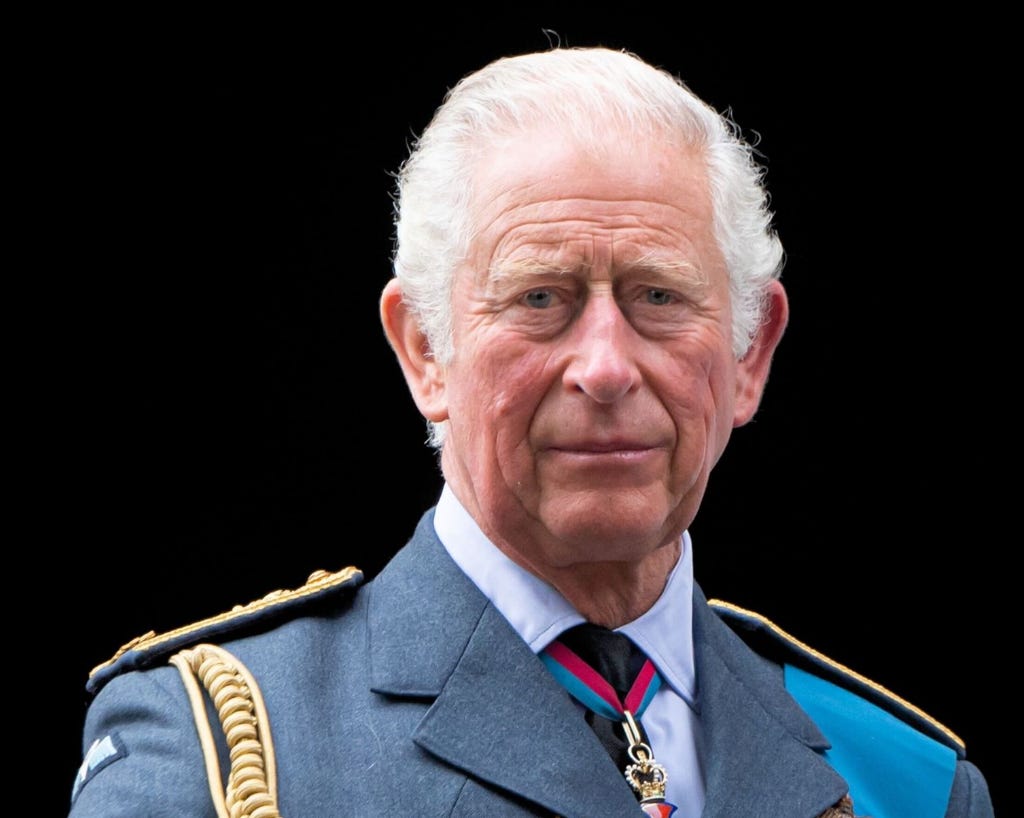
This observation is particularly relevant in today’s fast-paced, information-saturated world, where headlines, sound bites, and social media often encourage snap judgments and instant reactions. Charles's words encourage us to slow down and examine situations more thoroughly before forming opinions, recognizing that what may seem obvious at first glance might not reflect the full reality.
The quote also resonates with Charles's broader approach to the challenges facing society, where he often advocates for long-term thinking, sustainability, and an appreciation of complexity. Whether discussing environmental issues, architecture, or social matters, Charles has consistently urged a thoughtful, informed, and measured response, rather than a rush to conclusions that might overlook critical details or unintended consequences.
In essence, this quote serves as a reminder to embrace curiosity and humility in our thinking, recognizing that true understanding often requires patience, reflection, and a willingness to question our assumptions.