

It's haunting to realize that half of the languages of the world are teetering on the brink of extinction.
Wade Davis
It's haunting to realize that half of the languages of the world are teetering on the brink of extinction.
Wade Davis
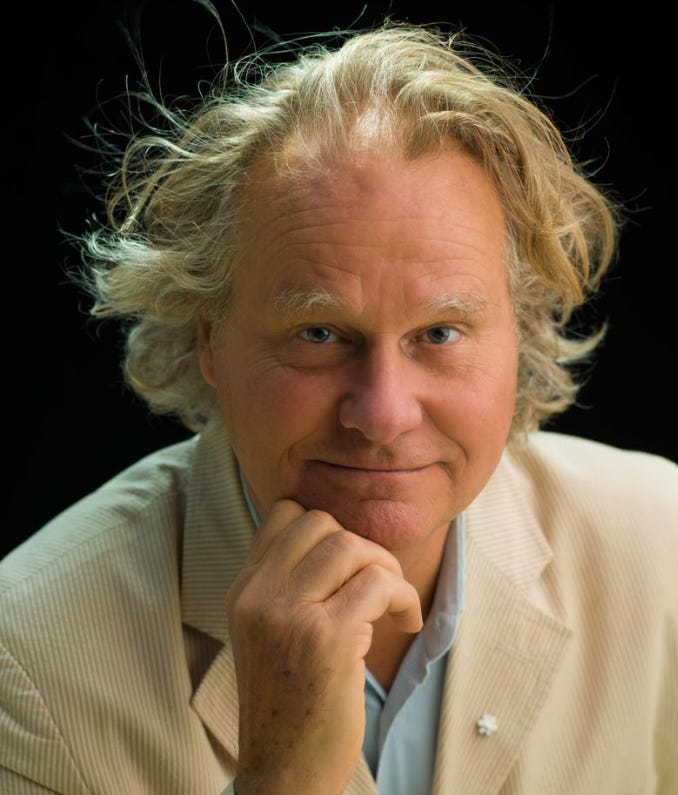
Wade Davis, a Canadian anthropologist and ethnobotanist born on December 14, 1953, is renowned for his extensive work on indigenous cultures, biodiversity, and the importance of preserving traditional knowledge systems. His quote, "It's haunting to realize that half of the languages of the world are teetering on the brink of extinction," reflects his deep concern about the cultural and linguistic diversity that is vanishing in our rapidly globalizing world.
Languages are more than just a means of communication; they are vessels of history, culture, and identity. Each language holds within it a unique worldview, a way of seeing and understanding the world that is shaped by the environment, traditions, and experiences of its speakers. When a language disappears, it is not merely a loss of words but the loss of centuries of knowledge, wisdom, and heritage that may never be recovered.
Davis's use of the word "haunting" captures the profound sense of loss and urgency surrounding this issue. The disappearance of languages is often a silent process, happening out of sight for most people, and yet it has lasting implications for humanity's collective diversity. With over 7,000 languages spoken worldwide, it is estimated that nearly half of them are at risk of extinction, as fewer people speak them, and dominant global languages like English, Spanish, and Mandarin become more widespread.
This trend is fueled by factors such as urbanization, the dominance of global media, the homogenization of culture, and the marginalization of indigenous peoples. When younger generations are discouraged from speaking their native languages, either through formal policies or societal pressures, the transmission of these languages to future generations becomes fragile, pushing them to the "brink of extinction," as Davis states.
The extinction of a language also signals a loss of biodiversity, as many indigenous languages are deeply intertwined with knowledge about local ecosystems, medicinal plants, and sustainable ways of living. For Davis, who has spent much of his career documenting and advocating for indigenous knowledge, this loss is particularly devastating because it threatens not only cultural diversity but also the planet’s environmental health.
His quote serves as a call to action, urging people to recognize the importance of linguistic preservation and to support efforts to revitalize endangered languages before it is too late. In doing so, we safeguard not just words but the collective wisdom of humanity.