

"The most dangerous worldview is the worldview of those who have not viewed the world."
Alexander von Humboldt
"The most dangerous worldview is the worldview of those who have not viewed the world."
Alexander von Humboldt
On September 14, 1769, the German explorer and naturalist Alexander von Humboldt was born. One of his most insightful quotes is, "The most dangerous worldview is the worldview of those who have not viewed the world."
Alexander von Humboldt was a pioneering figure in the fields of geography, natural history, and environmental science. His extensive travels and research throughout the Americas and beyond laid the groundwork for modern understanding of ecosystems, climate, and the interconnectedness of nature. Humboldt's work was characterized by a deep curiosity about the world and a commitment to exploring and understanding its complexities firsthand.
This quote reflects Humboldt’s belief in the importance of firsthand experience and the dangers of ignorance. "The most dangerous worldview" refers to the limitations of perspectives formed without a broad understanding of the world. Humboldt suggests that those who have "not viewed the world"—who have not engaged with different cultures, environments, and ideas—are at risk of holding narrow, uninformed views that can lead to prejudice, misunderstanding, and even conflict.
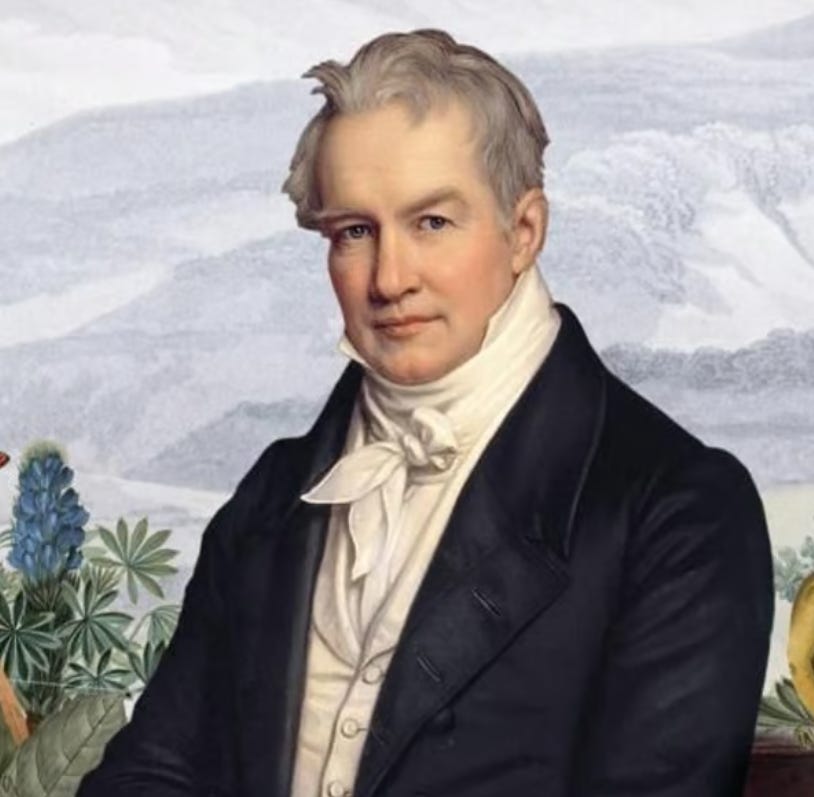
Humboldt’s extensive travels allowed him to see the diversity of the natural world and human cultures, leading him to develop a more holistic and interconnected view of life on Earth. He understood that true knowledge comes from direct engagement with the world, whether through exploration, observation, or interaction with different people and places. This perspective was revolutionary in his time and remains relevant today.
In the context of his quote, Humboldt warns against the dangers of isolation and the insularity of thought. When people or societies do not expose themselves to different perspectives or new information, they risk becoming entrenched in their own beliefs and resistant to change. This can lead to a worldview that is not only limited but also potentially harmful, as it fails to recognize the complexities and interconnections that exist in the world.
Humboldt’s words encourage us to seek out new experiences, to learn from different cultures, and to remain open to new ideas. In today’s globalized world, where we have unprecedented access to information and the ability to connect with people from all over the planet, this advice is more pertinent than ever. It challenges us to expand our horizons and to approach the world with curiosity and humility.
Ultimately, Humboldt’s quote is a call to broaden our perspectives and to embrace the richness and diversity of the world around us. It serves as a reminder that our understanding of the world—and our ability to make informed decisions—depends on our willingness to engage with it fully and openly. By doing so, we can develop a more informed, compassionate, and connected worldview, which is essential for addressing the complex challenges of our time.