

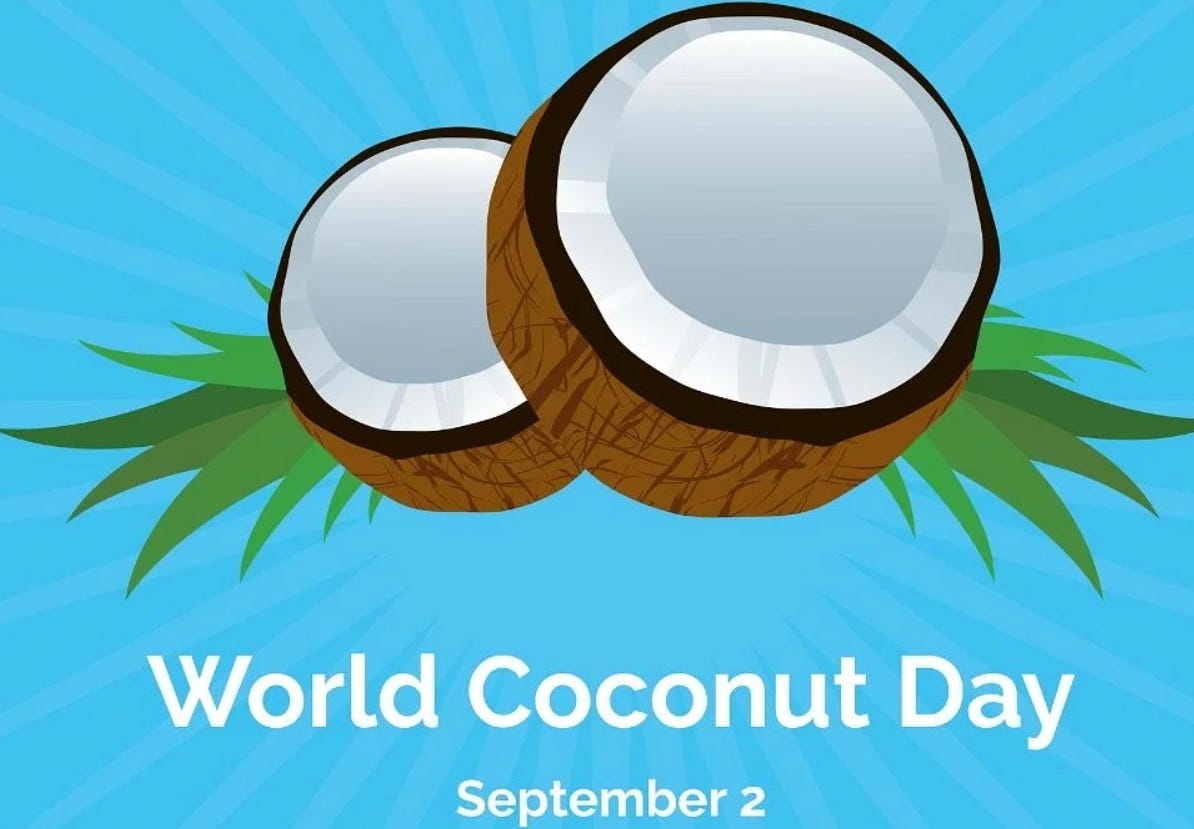
World Coconut Day: Celebrating the Tree of Life
World Coconut Day is an annual observance dedicated to celebrating the versatility and importance of coconuts in our daily lives. Celebrated on September 2nd, this day highlights the various benefits of coconuts, including their nutritional value, economic significance, and cultural importance. From food and drink to beauty products and traditional medicine, coconuts play a crucial role in many societies around the world.
History of World Coconut Day
World Coconut Day was established by the Asian and Pacific Coconut Community (APCC), an intergovernmental organization that promotes the interests of coconut growers and producers in the Asia-Pacific region. The APCC, headquartered in Jakarta, Indonesia, was founded in 1969 to support the sustainable development of the coconut industry. World Coconut Day was first celebrated on September 2, 2009, to mark the anniversary of the founding of the APCC.
The primary goal of World Coconut Day is to raise awareness about the importance of coconuts and to promote the sustainable cultivation and utilization of this valuable crop. The day serves as an opportunity to educate people about the myriad uses of coconuts and to highlight the economic benefits they provide to millions of farmers and producers in tropical regions.
Where is World Coconut Day Observed?
World Coconut Day is observed in countries where coconuts are a significant part of the economy and culture. These countries are primarily located in the tropical regions of Asia, the Pacific, Africa, and Latin America. Key countries that participate in World Coconut Day celebrations include:
India: One of the largest producers of coconuts, India hosts various events, seminars, and exhibitions to promote the coconut industry.
Philippines: Another major coconut producer, the Philippines celebrates with activities that showcase coconut products and their uses.
Indonesia: As the headquarters of the APCC, Indonesia plays a central role in organizing events and raising awareness about the importance of coconuts.
Sri Lanka: Known for its coconut-based products, Sri Lanka marks the day with cultural events and industry-related activities.
Thailand: Celebrations in Thailand focus on the culinary and economic significance of coconuts.
Variants and Alternative Names for World Coconut Day
While World Coconut Day is the most widely recognized name for this observance, it is also known by a few alternative names that reflect similar themes. These include:
International Coconut Day
Global Coconut Day
These variants emphasize the global importance of coconuts and the widespread celebration of this versatile fruit.
Fun and Lesser-Known Facts About World Coconut Day
World Coconut Day is not just about celebrating the economic and nutritional benefits of coconuts; it also includes various interesting and lesser-known aspects. Here are some fun facts about coconuts and their significance:
Coconut as the Tree of Life: Coconuts are often referred to as the "Tree of Life" because every part of the tree can be used. The fruit, leaves, trunk, and even the roots have various applications in food, shelter, and industry.
Coconut Water: Often called "nature's sports drink," coconut water is packed with electrolytes and is a natural hydrator, making it popular among athletes and fitness enthusiasts.
Historical Significance: Coconuts have been cultivated for over 4,500 years and have played a crucial role in the diets and economies of many tropical regions.
Coconut Oil Uses: Coconut oil is used in cooking, cosmetics, and traditional medicine. It is known for its moisturizing properties and is often used in skin and hair care products.
Versatility in Cuisine: Coconuts are a staple in many cuisines around the world, used in everything from curries and desserts to beverages and snacks.
Eco-Friendly Products: Coconut shells and husks are used to make eco-friendly products such as bowls, spoons, and coir (a natural fiber used in ropes and mats).
Medicinal Benefits: Coconuts have been used in traditional medicine for their antibacterial, antifungal, and antiviral properties.
Sustainable Crop: Coconut trees are highly sustainable as they require minimal maintenance and can thrive in poor soil conditions, making them an ideal crop for small-scale farmers.
Coconut Festivals: In addition to World Coconut Day, several countries host annual coconut festivals, celebrating the cultural and economic significance of the fruit.
Symbolism in Culture: In many cultures, coconuts are symbols of prosperity and are often used in religious and ceremonial practices.
Other Related Observances to World Coconut Day
World Coconut Day is part of a broader array of observances that celebrate agricultural products and promote sustainable farming practices. Some related observances include:
World Food Day (October 16): Celebrates global food security and raises awareness about hunger and malnutrition.
International Coffee Day (October 1): Honors the cultural and economic significance of coffee and promotes fair trade practices.
World Water Day (March 22): Highlights the importance of freshwater resources and promotes sustainable water management.
Conclusion
World Coconut Day is a significant observance that highlights the importance of coconuts in our daily lives. By celebrating this versatile fruit, we acknowledge the hard work of millions of farmers and producers who rely on coconuts for their livelihoods. Whether through educational events, culinary showcases, or cultural activities, World Coconut Day provides an opportunity to appreciate the many benefits of coconuts and promote their sustainable use.
References
Asian and Pacific Coconut Community: apccsec.org
National Day Calendar: nationaldaycalendar.com
Food and Agriculture Organization of the United Nations: fao.org
Coconut Development Board (India): coconutboard.nic.in
Philippine Coconut Authority: pca.da.gov.ph